1. Popular Sourcing Options
Designers often face challenges in sourcing fabric, which can significantly impact their projects. Fabric sourcing can occur through various channels, each with unique characteristics. Below are the main sourcing options designers consider:
Sourcing Options Overview
- Online Fabric Retailers
- Wholesale Fabric Distributors
- Local Fabric Shops
- Trade Shows and Exhibitions
2. Online Avenues for Fabric Procurement
The internet has revolutionized the textile industry, making it easier for designers to find a vast array of fabrics from the comfort of their studios. Some of the most popular online textile resources include:
1. E-commerce Platforms
Offer a wide selection of fabrics, allowing designers to compare prices effectively.
2. Manufacturer Websites
Direct purchases from manufacturers can yield wholesale prices and exclusive fabric lines.
3. Fabric Marketplaces
These platforms connect designers with various suppliers worldwide, expanding their choices beyond local resources.
Step-by-Step Online Sourcing Flow
| Step |
Action |
|---|
| 1 |
Identify your fabric needs |
| 2 |
Research potential suppliers |
| 3 |
Compare fabric types and prices |
| 4 |
Request samples |
| 5 |
Make a purchase decision |
3. The Role of Local Markets
Local fabric markets remain a valuable resource for designers seeking to source unique fabrics. They provide the opportunity to touch and feel textiles before purchasing, ensuring quality and suitability for specific projects.
Advantages of Local Fabric Markets
- Immediate access to a variety of materials
- The ability to negotiate prices directly
- Support for local businesses
4. Engaging with Wholesale Suppliers
Collaborating with wholesalers can provide significant savings and access to bulk purchasing. Wholesale suppliers often offer a broader range of fabrics at lower prices, making them an attractive option for designers.
Key Information on Wholesale Fabric Procurement
Many wholesalers have minimum order quantities that designers must consider. Additionally, building relationships with suppliers can lead to better terms and access to exclusive fabric releases.
5. Key Considerations for Purchasing Fabric
Designers should keep several factors in mind before committing to a fabric purchase to avoid common pitfalls:
Essential Considerations
- Fabric content and quality
- Cost and availability
- Shipping and handling times
- Return policies and guarantees
6. The Trend Towards Sustainable Sourcing
In recent years, many designers have begun prioritizing sustainability by selecting eco-friendly fabrics. This shift not only meets customer demand for sustainable products but also reduces environmental impact.
Types of Sustainable Fabrics
- Organic cotton
- Bamboo fabric
- Recycled polyester
7. Conclusion
Understanding where to buy fabric is crucial for designers looking to enhance their creations and streamline their workflows. By blending online resources, local markets, wholesale options, and sustainable practices, designers can effectively manage their fabric sourcing needs.
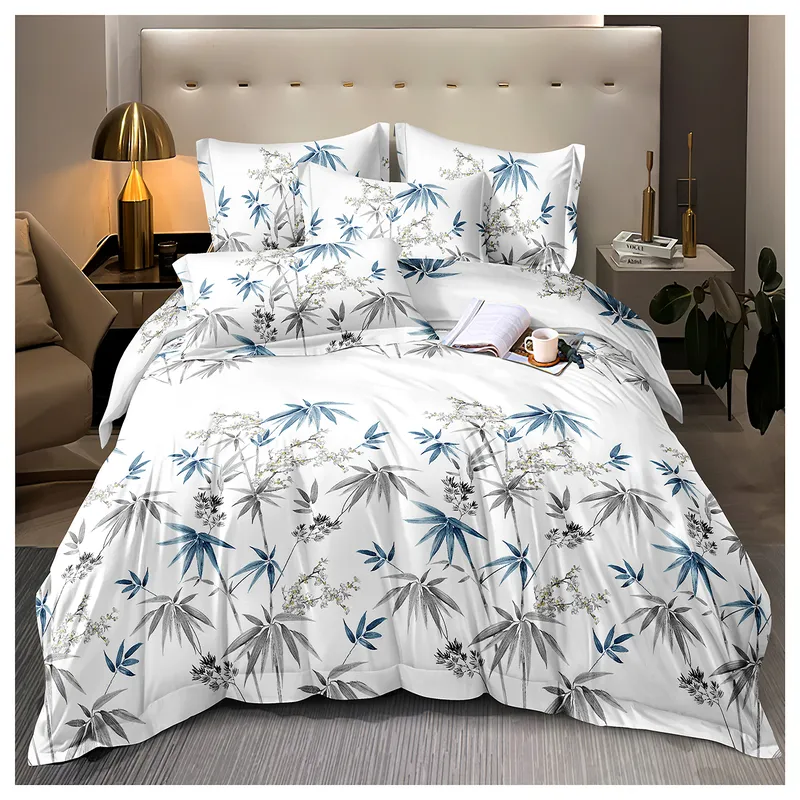
At Huayan, we offer a range of superior Bedding Fabrics, ensuring that you have access to high-quality materials for your designs.


