In the world of home interior design, the choice of Bedding Fabrics can significantly impact comfort, aesthetic appeal, and functionality. As a Bedding Fabric Manufacturer, understanding these fabrics' nuances is crucial for consumers and industry professionals alike. The significance of bedding fabrics has emerged from the demand for quality solutions that cater to preferences in sleep, style, and health. This article delves into the pain points such as allergens, durability, and maintenance, reconstructing the selling points of bedding fabrics while guiding consumers through their choices.
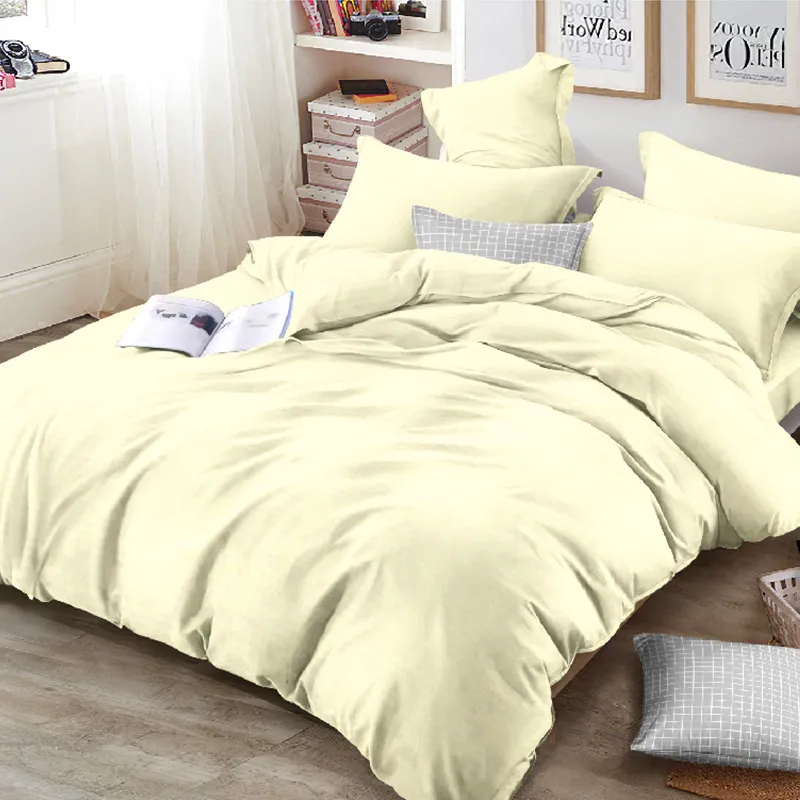
Bedding fabrics refer to the textiles used in the construction of bedsheets, duvet covers, pillowcases, and other related items. They encompass a range of materials, including cotton, polyester, linen, and blends. An analysis of industry terms reveals that fabric weight, thread count, and breathability are vital metrics in determining a fabric's quality. Fabrics with a higher thread count generally provide enhanced softness and durability, often measured in counts exceeding 300 threads per square inch, which can lead to a perceived improvement in luxury.
Bedding fabrics are utilized in various fields, including residential housing, hospitality, and healthcare. In homes, the right fabric can enhance sleep quality and contribute to overall decor. In hotels, high-quality bedding can result in a 26% increase in customer satisfaction ratings, according to the American Hotel and Lodging Educational Institute. Additionally, in healthcare settings, hypoallergenic bedding fabrics are vital in reducing allergic reactions and promoting better health outcomes for sensitive individuals.
Choosing the right bedding fabric is essential for several reasons:
Comfort and Breathability: Natural fibers like cotton have been found to retain moisture 1.5 times less than synthetic fabrics, offering superior breathability and comfort.
Durability: Bed sheets made from high-quality cotton can last up to 2-3 times longer than lower-grade alternatives, providing excellent value over time.
Maintenance: Fabrics like polyester can be machine-washed with minimal shrinkage, making them ideal for households where frequent washing is necessary.
Aesthetic Appeal: The styling versatility offered by different bedding fabrics can significantly impact the ambiance of a room, providing customers with a myriad of choices that align with their unique decor styles.
For those seeking to deepen their understanding or trial of premium bedding fabrics, it’s advisable to consult resources such as user guides or industry publications. Exploring options from reputable brands like Huayan can facilitate better choices tailored to individual needs.
Q: What is the difference between retail and wholesale fabric?
A: Retail fabric is sold directly to consumers, often at higher prices and in smaller quantities, whereas wholesale fabric is sold in bulk to businesses and manufacturers, typically at lower prices per yard.
Q: How do I choose the right bedding fabric for my needs?
A: Consider factors such as thread count, breathability, ease of maintenance, and specific use cases (e.g., allergies or aesthetics) when choosing your bedding fabric.
Q: Can I find hypoallergenic bedding fabrics?
A: Yes, many manufacturers offer hypoallergenic options designed specifically to reduce allergens and irritants.
Bedding fabrics play a vital role in creating a comfortable and aesthetically pleasing sleep environment. As consumers, understanding the intricacies of these materials, from their definitions to their advantages, is key to making informed decisions. For more insights or a trial of high-quality products, consider exploring offerings from brands like Huayan. A commitment to choosing the right bedding fabric ultimately leads to enhanced comfort, health, and overall satisfaction.


